

Online vs In-Person Aesthetic Training in the UK: Which One Actually Gets You Certified?
Choosing an aesthetic training course is a significant decision. You may be wondering whether an online aesthetic course is enough to get started, or whether hands-on, in-person training is essential.
The honest answer is that online learning and practical training serve different purposes. Online study can be flexible, accessible and valuable for building theoretical knowledge. However, it cannot fully replace supervised clinical practice, live model experience or feedback from an experienced practitioner.
For anyone considering injectables or other clinical aesthetic treatments, the most supportive route is often a blended approach: structured online theory followed by practical training in a real clinical environment.
The Short Answer: Online Learning Alone Is Not the Whole Journey
Online aesthetic training can help you understand important foundations, including:
- Skin and facial anatomy
- Consultation techniques
- Treatment planning
- Product knowledge
- Contraindications and aftercare
- Infection prevention principles
- Professional standards and client communication
- CPD refreshers for existing practitioners
These subjects are well suited to online learning because you can revisit videos, read course materials and complete assessments at your own pace.
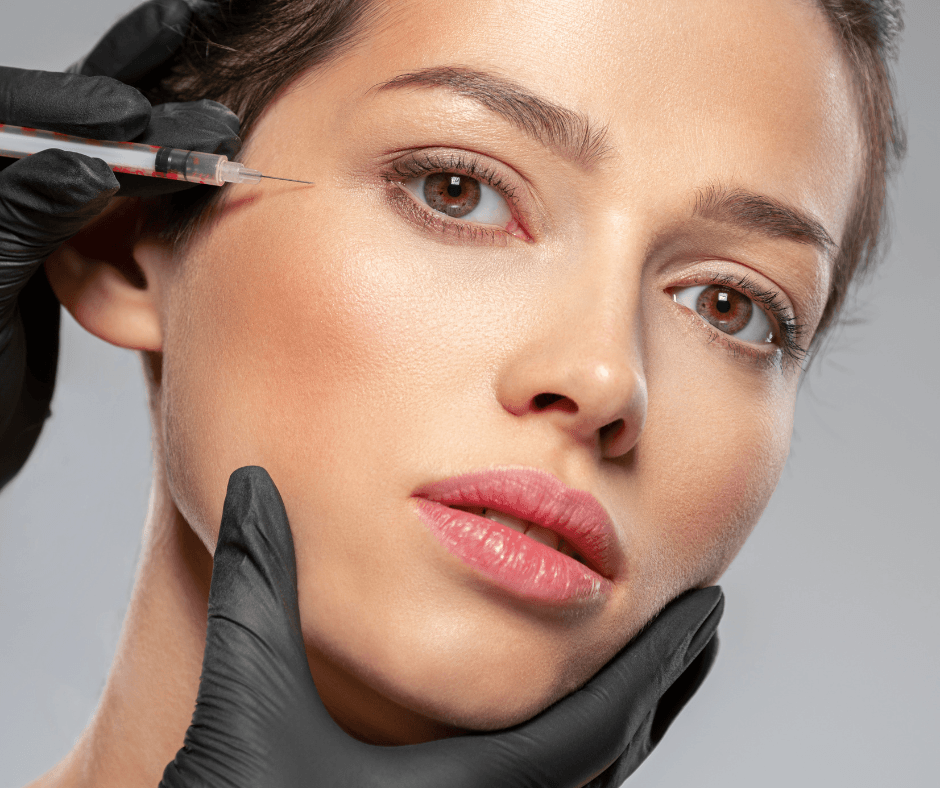
However, watching an injection demonstration is not the same as performing a treatment under supervision. A video cannot assess your hand positioning, needle control, injection depth, tissue response or communication with a live client.
Practical training is where theory becomes clinical confidence.
What Online Aesthetic Courses Do Well
Online study is particularly useful for students who work shifts, have family commitments or live some distance from a training academy. It allows you to complete learning in a way that fits around your life rather than requiring you to attend every session in person.
A quality online course should provide more than a downloadable certificate. Look for:
- Clear learning objectives
- Structured modules
- Anatomy and physiology education
- Treatment theory
- Assessments
- Video tutorials
- Downloadable resources
- Access to tutor or mentor support
- Transparent information about what the certificate does and does not qualify you to do
Online learning is also valuable after your main course. Experienced practitioners can use digital modules to refresh their knowledge, review consultation principles or complete continuing professional development.
At HL Medical Academy, students benefit from a dedicated 24/7 Student Portal containing video tutorials, course materials, downloadable resources and bonus content. This means your learning remains accessible before, during and after your practical training.
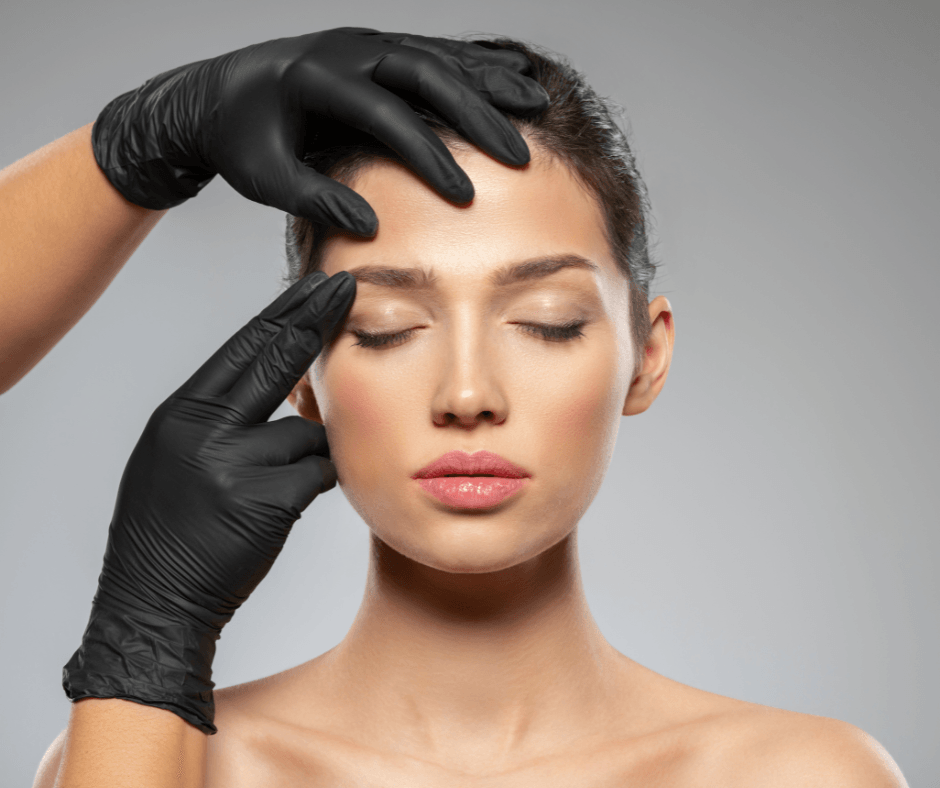
Where Online-Only Training Falls Short
A certificate of online completion may show that you have studied a subject, but it does not necessarily demonstrate that you are clinically competent to carry out an invasive treatment.
This distinction matters because aesthetic procedures can involve genuine medical risks. With injectables, a practitioner must understand not only where to place a product, but also how to:
- Assess a client’s suitability
- Take a complete medical history
- Identify contraindications
- Maintain safe infection-control standards
- Select appropriate equipment and products
- Communicate risks and alternatives
- Recognise early signs of complications
- Respond appropriately if something does not go as planned
- Document treatment and aftercare correctly
These are practical and professional skills. They develop through observation, supervised practice, constructive feedback and experience with real people.
For this reason, online-only training may be appropriate for theory, introductory education or CPD revision, but it is unlikely to provide the level of practical evidence that many insurers, professional registers and local authorities may expect for higher-risk treatments.
Why Hands-On Training Builds More Than Technique
In-person training is not only about learning how to hold a needle or use a device. It is about developing the confidence to work responsibly with real clients.
During hands-on sessions, you can learn how to:
- Prepare a safe clinical environment
- Conduct a professional consultation
- Examine facial anatomy in person
- Adapt treatment plans to individual clients
- Work with live models under supervision
- Receive immediate feedback
- Manage client questions and expectations
- Deliver clear aftercare advice
- Understand the pace and responsibility of a real clinic
This experience helps bridge the gap between knowing what to do and feeling prepared to do it safely.
At HL Medical Aesthetics & Training, practical courses take place within a busy, nurse-led aesthetics clinic in Darlington. Students gain insight into everyday clinical standards, patient care, infection control and treatment planning, rather than learning in an environment disconnected from real practice.
The 2026 Licensing Landscape Makes Clinical Evidence More Important
The UK aesthetics industry is moving towards clearer standards for training, licensing, clinical governance and public protection. In England, the government’s proposed licensing framework focuses on practitioners being suitably trained and qualified, holding appropriate indemnity cover and working from premises that meet hygiene and infection-control standards.
You can read the official background in the GOV.UK consultation on licensing non-surgical cosmetic procedures in England.
As the 2026 regulatory landscape develops, students should expect greater emphasis on:
- Recognised and relevant qualifications
- Evidence of practical competency
- Supervised clinical hours
- Accurate treatment records
- Appropriate indemnity insurance
- Safe premises and infection-control procedures
- Ongoing CPD
- Professional registration or recognised industry registers where appropriate
The exact requirements may vary depending on your treatment scope, professional background, UK nation and local authority. Regulation is also evolving, so it is important to check current requirements rather than relying on outdated social media advice.
The Joint Council for Cosmetic Practitioners is one recognised organisation that provides professional standards and registration information for cosmetic practitioners and education providers.
Insurance: A Certificate Is Not the Same as Cover
One of the most important questions to ask before enrolling is: Will my intended insurer accept this course?
A CPD certificate demonstrates that you have completed accredited learning. It does not automatically guarantee insurance, registration or permission to perform every treatment.
Insurers may consider:
- The course provider
- The awarding or accrediting organisation
- The treatment covered by the certificate
- Your previous qualifications and experience
- The amount of supervised practical training
- Your clinical setting
- Your treatment protocols and emergency arrangements
Always contact your intended insurer before enrolling and ask them to confirm, in writing, whether they accept the specific course and qualification.
HL Medical Academy places safety, accreditation and insurance considerations at the centre of its training approach. Courses are CPD Excellence accredited, with a practical focus designed to help students develop meaningful competence rather than simply complete theory modules.
The HL Medical Academy Blended Approach
The most complete learning journey combines the flexibility of online study with the reassurance of in-person clinical training.
HL Medical Academy’s training includes:
- CPD Excellence-accredited courses
- Online theory and pre-course learning
- Hands-on training with live models
- Small-group teaching
- Training in a real nurse-led clinic in Darlington
- Access to a 24/7 Student Portal
- Flexible payment options, including instalments
- Continued post-course guidance and mentorship
- Professional advice to support your development
The Aesthetic Practitioner Training Darlington Platinum Package demonstrates how this structure works. Students complete pre-course Anatomy and Physiology learning and core theory before progressing to five days of practical training.
The programme includes supervised experience across treatments such as microneedling, mesotherapy, vitamin B12 injections, dermal filler and foundation botulinum toxin training, alongside complications management and safety protocols.
This structure allows students to arrive at their practical days with a stronger understanding of anatomy, consultation and treatment theory. Time in the clinic can then focus on observation, supervised practice and feedback.
Learn from Clinicians Who Understand the Responsibility
HL Medical Academy training is nurse-led by Hayley Lamb, Advanced Nurse Practitioner, Non-Medical Prescriber and founder of HL Medical Aesthetics.
Hayley brings more than 16 years of clinical experience, alongside her work in medical aesthetics and professional education. She is supported by the HL team, including Loren and Marie.
This clinical background matters because safe aesthetics training involves more than technique. It requires compassion, sound judgement, thorough consultations and a clear understanding of patient safety.
The Academy’s approach combines CPD Excellence accreditation, JCCP approval and practical education within a supportive clinical setting. Students are encouraged to ask questions, build confidence gradually and understand the responsibility that comes with treating real clients.

So, Which Training Route Should You Choose?
Choose online learning if you need:
- Flexible study around work or family
- A stronger theoretical foundation
- Anatomy and physiology education
- A CPD refresher
- Preparation before attending practical training
Choose in-person training if you need:
- Live model experience
- Supervised practical hours
- Immediate feedback
- Support with consultations and treatment planning
- Greater confidence working with real clients
- Evidence of practical learning for insurer or registration discussions
For many aspiring practitioners, the best option is not online or in-person. It is online and in-person.
Begin Your Aesthetics Training Journey with Clarity and Confidence
You do not need to rush your decision. Ask questions about accreditation, practical hours, live models, insurance, assessment and post-course support.
The right training should leave you feeling not only certified, but also empowered, prepared and supported.
To explore HL Medical Aesthetics & Training courses in Darlington, view available course options through the HL Medical Aesthetics Vagaro booking page, or call 01325 639072.
If you are unsure which course is right for your background and goals, get in touch. We would love to hear from you and help you take the next step with confidence and peace of mind.